Elevate Your Baba Ganoush: Essential Tips for Smoky Flavor
In the vibrant tapestry of Mediterranean cuisine, few dips captivate the palate quite like baba ganoush. Often overshadowed by its chickpea cousin, hummus, a truly exceptional baba ganoush possesses an allure all its own – a symphony of smoky, savory, and creamy textures that is nothing short of irresistible. While both dips hail from the Eastern Mediterranean and are often served side-by-side with warm pita and crisp vegetables, baba ganoush offers a unique flavor profile thanks to its star ingredient: eggplant.
For those who've only experienced mediocre versions, the idea of a truly epic baba ganoush might seem elusive. But fear not! Mastering the art of this baba ganoush recipe is simpler than you think, especially when you focus on unlocking its signature smoky depth. This comprehensive guide will walk you through the essential techniques and nuanced ingredients that transform humble eggplant into a luxurious, flavorful dip that will have everyone clamoring for more.
What is Baba Ganoush? A Mediterranean Gem
At its core, baba ganoush (also known as baba ganouj, muttabal, or salat hatzilim in various regions) is a rich, creamy eggplant dip. Unlike hummus, which relies on chickpeas for its base, baba ganoush celebrates the unique texture and subtle bitterness of roasted or grilled eggplant. The name "baba ganoush" itself is said to mean "pampered papa" or "coy daddy," perhaps alluding to its indulgent nature and how easily it can be scooped up without much chewing, making it a favorite for all ages. It's a staple on any mezze platter, cherished for its versatility as a dip, spread, or even a side dish.
The magic truly happens when the eggplant undergoes a transformation through intense heat, lending it that characteristic smoky essence. Combined with the nutty richness of tahini, the bright tang of lemon juice, the pungent kick of garlic, and a hint of salt, the result is a dip that is both complex and comforting. While the basic components remain consistent, it's the subtle additions and preparation methods that truly elevate a good baba ganoush recipe to an extraordinary one.
The Pillars of an Epic Baba Ganoush Recipe: Essential Ingredients
Creating an outstanding baba ganoush starts with a handful of quality ingredients. Think of these as the fundamental building blocks upon which your smoky masterpiece will be constructed:
- Eggplant: The undisputed star. Choose firm, heavy eggplants without blemishes. Italian or globe eggplants are most common.
- Tahini: A paste made from toasted ground sesame seeds, tahini is crucial for both flavor and emulsification, providing that creamy, luxurious texture. Opt for a high-quality, smooth tahini for the best results.
- Extra Virgin Olive Oil: Used both in the preparation and as a drizzle for serving, a good quality olive oil adds richness and a peppery note.
- Lemon Juice: Freshly squeezed lemon juice is non-negotiable. It brightens the dip, balances the richness of the tahini, and cuts through any potential bitterness from the eggplant.
- Garlic: Fresh garlic, crushed or minced, provides an essential aromatic pungency. Adjust the amount to your preference.
- Salt: More than just a seasoning, salt plays a vital role in reducing the eggplant's inherent bitterness and enhancing all other flavors. Don't be shy!
While these are the foundational elements, some additions can truly elevate your baba ganoush. A pinch of ground cumin can add an earthy warmth, while smoked paprika enhances that coveted smoky flavor. Fresh parsley, stirred in or used as a garnish, adds a vibrant freshness and color.
Unlocking the Smoke: Roasting vs. Grilling the Eggplant
The defining characteristic of a phenomenal baba ganoush is its deep, smoky flavor. This comes primarily from how you cook the eggplant. The traditional method often involves charring the eggplant over an open flame, but delicious results are absolutely achievable without a grill.
Grilling for Authentic Char
If you have access to a grill, consider yourself fortunate! Grilling eggplants whole over direct heat until their skins are blackened and blistered and their flesh is completely soft yields the most authentic smoky flavor. The direct flame chars the skin, infusing the flesh with an intense smokiness that is difficult to replicate. Once grilled, allow them to cool slightly, then split them open and scoop out the tender, smoky flesh.
Roasting for Accessibility and Enhanced Flavor
No grill? No problem! Roasting eggplants in the oven is a highly effective way to achieve a wonderful smoky depth, and it's often more convenient. Here's how to maximize the smoky potential when roasting:
- Halve and Face Down: Instead of roasting whole, halve your eggplants lengthwise. Brush the cut sides lightly with olive oil and place them cut-side down on a baking sheet. This technique allows for better caramelization of the flesh, intensifying flavor, and significantly speeds up cooking time. It also prevents the eggplant from potentially exploding in your oven if cooked whole without piercing.
- Roast Until Collapsed: Patience is key. Roast the eggplants at a high temperature (around 400-425°F or 200-220°C) until they are completely collapsed and deeply softened, almost mushy. Their skins should be wrinkled and slightly charred in spots. This thorough cooking concentrates their flavor and ensures an incredibly silky-smooth dip.
- Broiler Boost: For an extra layer of char and smokiness without a grill, you can finish your roasted eggplants under the broiler for a few minutes. Keep a close eye on them to prevent burning.
- The Smoked Paprika Secret: As a brilliant workaround to enhance smokiness, incorporate a teaspoon or two of good quality smoked paprika directly into your baba ganoush when mixing. This spice adds an earthy, savory, and unmistakably smoky dimension that complements the eggplant beautifully.
Whichever method you choose, the goal is the same: deeply cooked, intensely flavored eggplant that is tender enough to be easily mashed or blended.
Crafting the Perfect Texture: Moisture Control and Mixing Method
Beyond smoke, the texture of baba ganoush is paramount. It should be smooth and luxurious, yet with a subtle rustic quality. Two key considerations play a role here: moisture extraction and your mixing technique.
Extracting Excess Moisture
Eggplants are notoriously watery. Excess moisture can dilute the flavor of your dip and result in a thin, unappealing consistency. Fortunately, your chosen cooking method will help. Thoroughly roasted or grilled eggplant will naturally lose a lot of its water content. To further aid this:
- Strain it Out: Once the cooked eggplant is cool enough to handle, scoop out the flesh into a fine-mesh strainer set over a bowl. Let it rest for 10-15 minutes, stirring occasionally. You'll be surprised how much liquid drains out. This step is crucial for a dense, flavorful dip.
- Light Salting (Optional Pre-Cooking): For those extra conscious about moisture, you can lightly salt the cut side of raw eggplant halves before roasting. Let them sit for 20-30 minutes, then pat dry. This draws out additional water.
The Mixing Method: Hand-Masher or Food Processor?
The choice between hand-mixing and using a food processor impacts the final texture of your baba ganoush. Traditionally, baba ganoush has a slightly coarser, more rustic texture.
- Hand-Mixing for Traditional Texture: If you prefer a dip with some body and tiny discernible eggplant pieces, a fork or potato masher is your best friend. Roasted eggplant, especially when cooked until collapsed, breaks down easily with a bit of elbow grease. This method also ensures you don't over-process and inadvertently introduce too much air, which can make the dip less dense.
- Food Processor for Silky Smoothness: For those who crave an ultra-creamy, velvety baba ganoush akin to a smooth hummus, a food processor is highly effective. Pulse the ingredients until you reach your desired consistency. Be careful not to over-process, as it can sometimes make the dip too airy or gluey.
Whichever method you choose, ensure the cooked eggplant is thoroughly de-seeded if the seeds are particularly large or numerous, as they can sometimes add an unwanted bitter crunch.
The Art of Seasoning: Beyond Salt
Proper seasoning is the final flourish that transforms a good baba ganoush into an "epic" one. Salt, as mentioned, is critical not just for taste but also for tempering any potential bitterness in the eggplant.
- Generous Salting: Eggplant absorbs a lot of salt. Don't be afraid to add more than you might initially think is necessary, tasting and adjusting as you go. The salt helps to balance the flavors of the tahini, lemon, and garlic, making the entire dip more harmonious.
- Brightening with Lemon: Lemon juice adds essential acidity. Start with the recommended amount and then add more, a teaspoon at a time, until the flavors pop and the dip tastes fresh and vibrant.
- Balancing with Tahini: Tahini contributes creaminess and a distinct nutty flavor. The amount can be adjusted based on your preference for richness and thickness. Too little, and the dip might taste flat; too much, and it can become too heavy.
- Spice it Up: This is where you can truly make the baba ganoush recipe your own. Don't hesitate to add a pinch of ground cumin for warmth, or an extra dash of smoked paprika for even more smoky goodness. A little cayenne pepper can introduce a subtle heat, if desired.
- Fresh Herbs: Finally, fresh parsley is a wonderful addition, either mixed directly into the dip for a herbaceous note or sprinkled generously on top just before serving for visual appeal and freshness. Mint is another excellent choice for a brighter flavor profile.
Always taste and adjust. A truly great baba ganoush achieves a perfect balance of smoky, savory, tangy, and slightly nutty flavors.
Serving Your Masterpiece
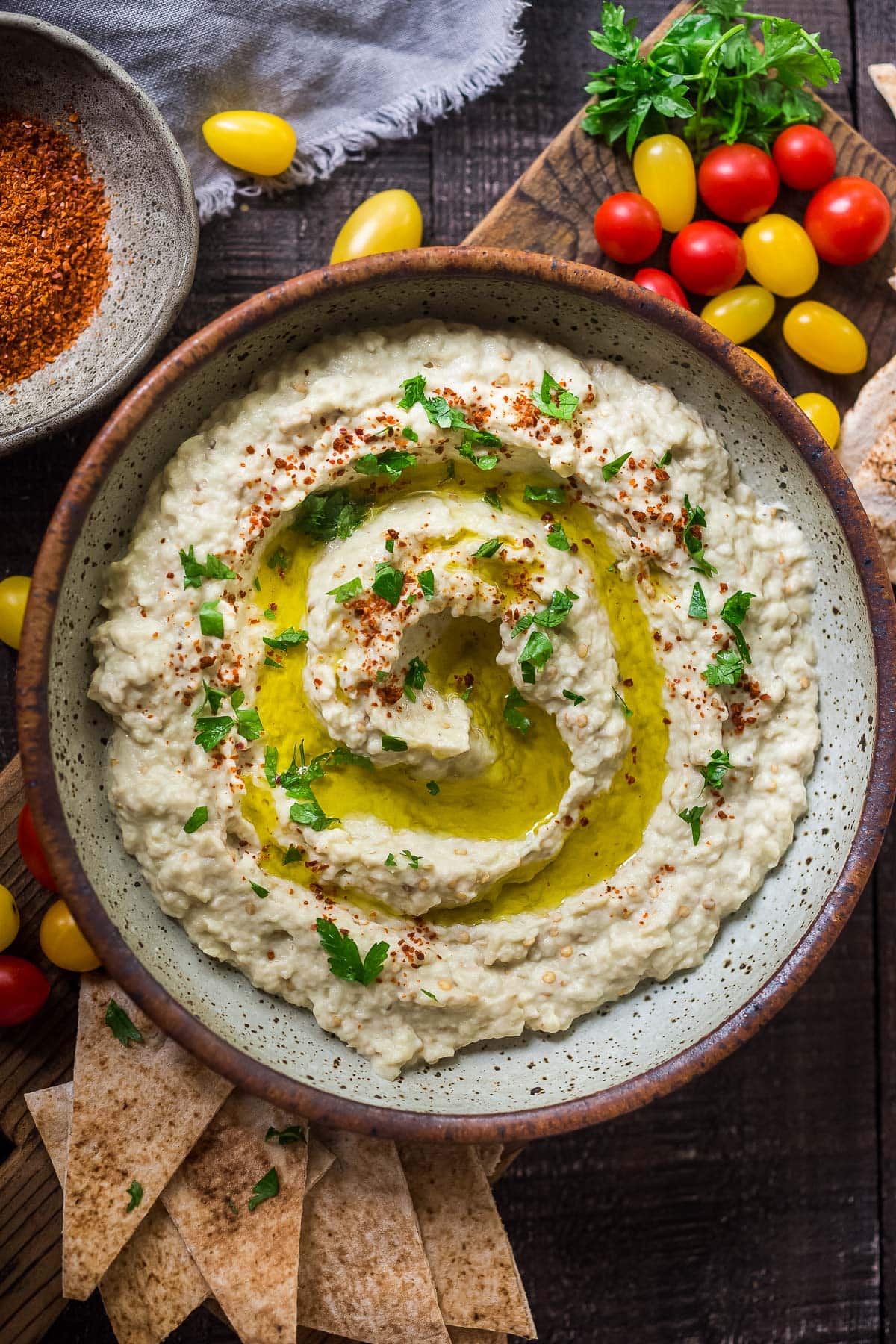
Once your baba ganoush is perfectly seasoned and boasts that irresistible smoky flavor, it's ready to be enjoyed! Transfer it to a shallow serving bowl, create a swirl with the back of a spoon, and drizzle generously with high-quality extra virgin olive oil. A sprinkle of fresh parsley, sumac, or even a few pomegranate seeds (for a touch of sweetness and color) makes for a beautiful presentation.
Serve your smoky eggplant dip with warm pita bread, an assortment of raw, crisp vegetables like cucumber slices, carrot sticks, bell pepper strips, or even alongside grilled meats and falafel. It's a versatile dip that elevates any meal or snack.
Embarking on the journey to create your own homemade baba ganoush is a rewarding experience. With these essential tips, focusing on the smoking method, moisture control, and thoughtful seasoning, you're well on your way to crafting a dip that's not just good, but truly epic. So gather your ingredients, fire up that oven or grill, and prepare to delight your senses with the smoky, creamy magic of an authentic Master Baba Ganoush: Roast Eggplant for Ultimate Creaminess. For even more insights into perfecting this Mediterranean classic, explore Secrets to Authentic Baba Ganoush: Easy & Flavorful Dip. Enjoy the rich flavors and textures of this incredible dish!
